Meatballs: The Perfect Script Font for Handmade Labels and Packaging
I was sitting at my desk late last Tuesday, surrounded by a chaotic spread of wax samples, dried lavender sprigs, and half-cut vinyl sheets. I was finalizing the design for a new line of soy candles, specifically trying to nail down the label aesthetic. I wanted something that felt approachable, warm, and distinctly handmade, but without looking messy or overly complicated. That’s when I pulled up Meatballs. It wasn’t just another script font; it felt like a breath of fresh air in a sea of rigid, corporate typefaces.
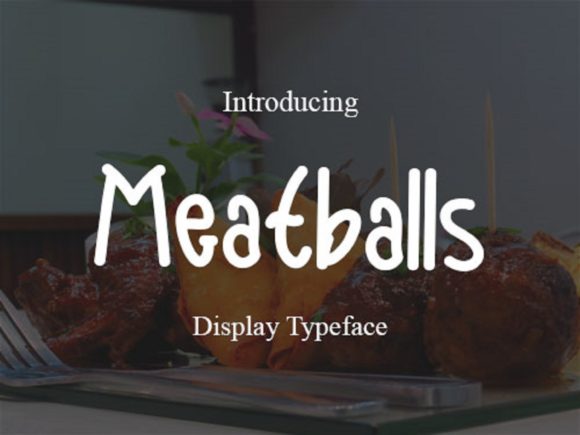
As a maker who spends hours tweaking mockups and printing test stickers, I know how much a single typeface can shift the entire vibe of a product. Meatballs is simple, neat, and lovely—a script that doesn’t shout for attention but invites you in with a gentle wave. Its visual personality is casual yet polished, making it an ideal choice for creators who want their branding to feel friendly and authentic. Whether you are designing boutique tags, wedding invitations, or digital printables, this font brings a sense of confidence and charm that elevates your work from "craft project" to "curated product."
Why Meatballs Fits the Modern Maker Aesthetic
In the world of handmade goods, authenticity is currency. Customers don’t just buy a candle or a tote bag; they buy into the story and the feeling behind it. Meatballs supports that narrative perfectly. It has a hand-drawn quality that feels personal, yet its clean lines ensure it remains legible and professional. This balance is crucial for small business owners who need their packaging to look premium while retaining that cozy, homemade touch.
When I applied Meatballs to my candle labels, the result was immediate. The letters had a slight bounce to them, mimicking the organic irregularity of handwriting without sacrificing readability. It pairs beautifully with minimalist illustrations or botanical line art, allowing the text to stand out as the focal point. For makers using cutting machines like Cricut or Silhouette, this font is particularly forgiving. The curves are smooth, and the spacing is consistent, which means fewer errors when weeding intricate designs or applying transfer tape to curved surfaces like mugs or glass jars.
Real-World Applications for Your Shop
One of the greatest strengths of Meatballs is its versatility across different mediums. I’ve found that it works exceptionally well for short phrases, names, titles, and decorative wording. Here is how I have seen it come to life in various creative projects:
- Candle and Soap Labels: Use it for the product name on the front of your jar. The casual script softens the industrial look of glass and plastic, making the product feel more artisanal.
- Greeting Cards and Invitations: For birthdays, weddings, or baby showers, Meatballs adds a touch of elegance without being stiff. It is perfect for the main title on a welcome board or the header of a thank-you note.
- Boutique Tags and Packaging: When creating hang tags for clothing or accessories, this font conveys care and attention to detail. It looks great printed on kraft paper or matte cardstock.
- Digital Printables and Wall Art: If you sell digital downloads, such as planner pages or inspirational quotes, Meatballs serves as a strong display font. It draws the eye immediately, which is essential for thumbnail images on marketplaces like Etsy.
- Seasonal Designs: Holiday tags, Christmas ornaments, and summer festival signs all benefit from the cheerful mood of this script. It feels festive without being cliché.
Readability and Design Tips
While Meatballs is charming, it is important to use it strategically. Like most script fonts, it is best suited for display use rather than long blocks of text. Trying to write a paragraph in Meatballs can become tiring for the reader because the eye has to work harder to follow the continuous flow of letters. Instead, reserve it for headlines, logos, and key messages.
For physical merchandise like shirts or tote bags, consider the size of the text. On smaller items, such as sticker sheets or tiny product labels, ensure the font size is large enough to be read clearly. If you are designing for social media graphics or listing images, contrast is key. Pair light-colored Meatballs text with a dark background, or vice versa, to ensure your message pops. Testing your design in black and white can also help you check for balance and hierarchy before adding color.
Font Pairing for Brand Consistency
To create a cohesive brand identity, pairing Meatballs with a complementary typeface can enhance readability and visual interest. Since Meatballs is a casual script, it pairs naturally with clean sans serif fonts or simple serif fonts. A modern sans serif can ground the whimsy of the script, providing a stable foundation for body text or secondary information like ingredients or care instructions.
For example, if you are designing a wedding invitation suite, you might use Meatballs for the couple’s names and the event title, then switch to a classic serif for the date, time, and venue details. This combination creates a sophisticated yet inviting tone. Alternatively, pairing it with a bold display font can add weight and impact to poster designs or sale announcements. The key is to let one font take the lead while the other supports it, ensuring your design never feels cluttered or competing for attention.
Technical Considerations for Sellers
Before incorporating Meatballs into your commercial products, there are a few technical details to keep in mind. Always check the included styles, alternates, ligatures, and swashes. These features can add unique character to your designs, allowing you to customize initials or special words. Some scripts offer multiple weights, which can be useful for creating depth in your layouts.
File format compatibility is also important. Ensure you have access to the necessary file types (such as OTF, TTF, or SVG) depending on whether you are using desktop publishing software or cutting machines. Additionally, verify the licensing terms. As a creator selling physical products, templates, or digital downloads, you need to confirm that the font allows for commercial use. Understanding the scope of the license—whether it covers web design, editorial design, or merchandise—will protect your business and ensure ethical use of design assets.
Ultimately, choosing the right typography is about connecting with your audience. Meatballs does this by bringing warmth and simplicity to every project. Whether you are labeling a batch of handmade soaps or designing a digital planner cover, this script helps tell your story with clarity and charm. By integrating it thoughtfully into your workflow, you can elevate your shop’s presentation and build a brand that customers recognize and trust. Start experimenting with mockups, print some test labels, and see how this lovely script transforms your creative vision into tangible, beautiful products.